Global Flavors Japanese Teriyaki Salmon
Highlighted under: Global Taste Adventure
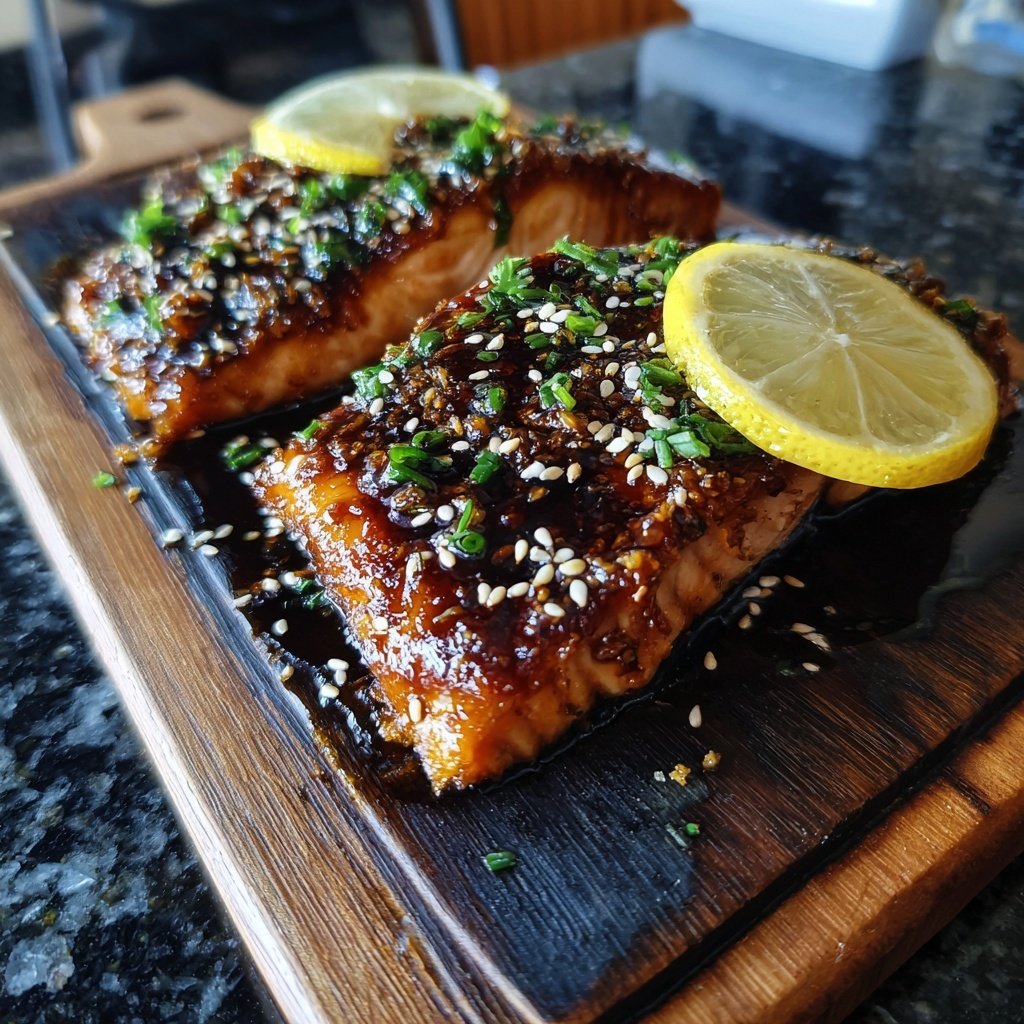
I absolutely love preparing Japanese Teriyaki Salmon as it brings a burst of flavor and color to my table. This dish combines the rich, savory notes of soy sauce with the sweetness of honey and a hint of ginger, resulting in a delightful glaze. Each time I make it, I am amazed at how quickly it comes together and how it transforms simple salmon fillets into a mouthwatering centerpiece. It's become a go-to recipe that I enjoy sharing on busy weeknights and during special gatherings.
When I first tried my hand at making Teriyaki Salmon, I was surprised by how well the flavors meld together. The key for me has been to marinate the salmon for at least 15 minutes to allow the glaze to penetrate deeply. I usually prepare the teriyaki sauce from scratch using soy sauce, mirin, and a dash of sesame oil, which elevates the dish more than store-bought options.
One tip I’ve learned is to keep an eye on the cooking time. Overcooking the salmon can make it dry, so I set a timer to ensure it's perfectly flaky yet moist. The result is a beautiful dish that looks as good as it tastes, and it pairs wonderfully with steamed rice and vegetables.
Why You'll Love This Recipe
- Perfectly balanced sweet and savory teriyaki sauce
- Quick and easy preparation, ideal for busy weeknights
- Healthy and vibrant dish that pairs well with rice and vegetables
Understanding Teriyaki Sauce
Teriyaki sauce is a cornerstone of Japanese cuisine, known for its glossy appearance and rich flavor profile. In this recipe, the combination of soy sauce and honey not only provides a balance of sweetness and saltiness but also helps to caramelize the salmon when cooked. The addition of rice vinegar gives the sauce a delightful tang, which elevates the overall taste. One key to a successful teriyaki sauce is to ensure the ingredients are properly blended, allowing the flavors to meld before marinating the salmon.
The soy sauce used in this recipe is crucial for achieving that umami flavor that teriyaki is famous for. I recommend selecting a good-quality soy sauce for the best results. Lower-sodium soy sauce can also work if you're looking to cut back on salt. As for the honey, it acts as a natural sweetener and also aids in achieving that beautiful glaze on the salmon. If you prefer a less sweet option, feel free to adjust the honey to taste.
For a zesty kick, consider adding a splash of mirin or sake, both traditional components in many teriyaki recipes. These ingredients will complement the ginger and add depth to the flavor. Additionally, you could experiment with adding sesame seeds to the marinade for an extra nutty note that pairs beautifully with the salmon.
Cooking Techniques for Perfect Salmon
To achieve perfectly cooked salmon, it’s essential to maintain the right cooking temperature. A medium-high heat on a non-stick skillet is optimal, as it allows for a nice sear without overcooking the fish. When placing the salmon in the skillet, I always start skin-side down; this helps protect the delicate flesh from direct heat and results in a crisp skin that's delightful to eat.
While cooking, keep an eye on the salmon’s color and texture. When the edges turn golden brown and the flesh begins to flake easily with a fork, it’s a good indicator that your salmon is nearly done. Cooking times can vary depending on the thickness of your fillets, but generally, around 6 minutes on one side followed by about 4-5 minutes on the other side will do the trick for standard fillets.
If you want to elevate the dish even further, consider using a cooking thermometer. The internal temperature should reach about 145°F (63°C) for safe consumption. If overcooked, salmon can become dry, so I recommend checking the fillets a minute or two before the end of the cooking time. Perfectly cooked salmon should be moist, tender, and still slightly pink in the center.
Serving Suggestions and Variations
This teriyaki salmon pairs wonderfully with a variety of sides, making it suitable for both casual dinners and special occasions. For a traditional touch, serve over a bed of sticky white rice or brown rice to absorb the delicious teriyaki sauce. Roasted or steamed vegetables such as bok choy, broccoli, or snap peas add vibrancy and nutrition to the plate, contrasting beautifully with the rich flavors of the salmon.
If you're looking to switch things up, consider using the teriyaki marinade on other proteins like chicken or tofu. Both alternatives cook similarly and will provide a delightful flavor enhancement. For a vegetarian option, marinating and grilling portobello mushrooms can create a meaty and satisfying dish that aligns with the teriyaki flavor profile.
Storing leftovers is simple—just place any uneaten salmon in an airtight container in the refrigerator for up to three days. To reheat, a quick stint in the microwave or a gentle heat on the stove will do to keep it moist. If you’d like to make this dish ahead of time, consider preparing the marinade in advance and marinating the salmon in the fridge up to an hour before cooking to intensify the flavor.
Ingredients
For the Teriyaki Salmon
- 4 salmon fillets
- 1/4 cup soy sauce
- 2 tablespoons honey
- 1 tablespoon rice vinegar
- 1 teaspoon grated ginger
- 1 teaspoon sesame oil
- 2 green onions, chopped (for garnish)
Instructions
Prepare the Marinade
In a mixing bowl, whisk together the soy sauce, honey, rice vinegar, grated ginger, and sesame oil until well combined.
Marinate the Salmon
Place the salmon fillets in a shallow dish and pour the marinade over them. Let it sit for at least 15 minutes.
Cook the Salmon
Heat a non-stick skillet over medium-high heat. Remove salmon from marinade (reserve the marinade), and cook the salmon skin-side down for about 6 minutes. Flip and cook for an additional 4-5 minutes until cooked through.
Glaze the Salmon
Pour the reserved marinade into the skillet and let it bubble for a minute, allowing it to thicken slightly before spooning it over the salmon.
Serve
Garnish the salmon with chopped green onions and serve hot with steamed rice and vegetables.
Pro Tips
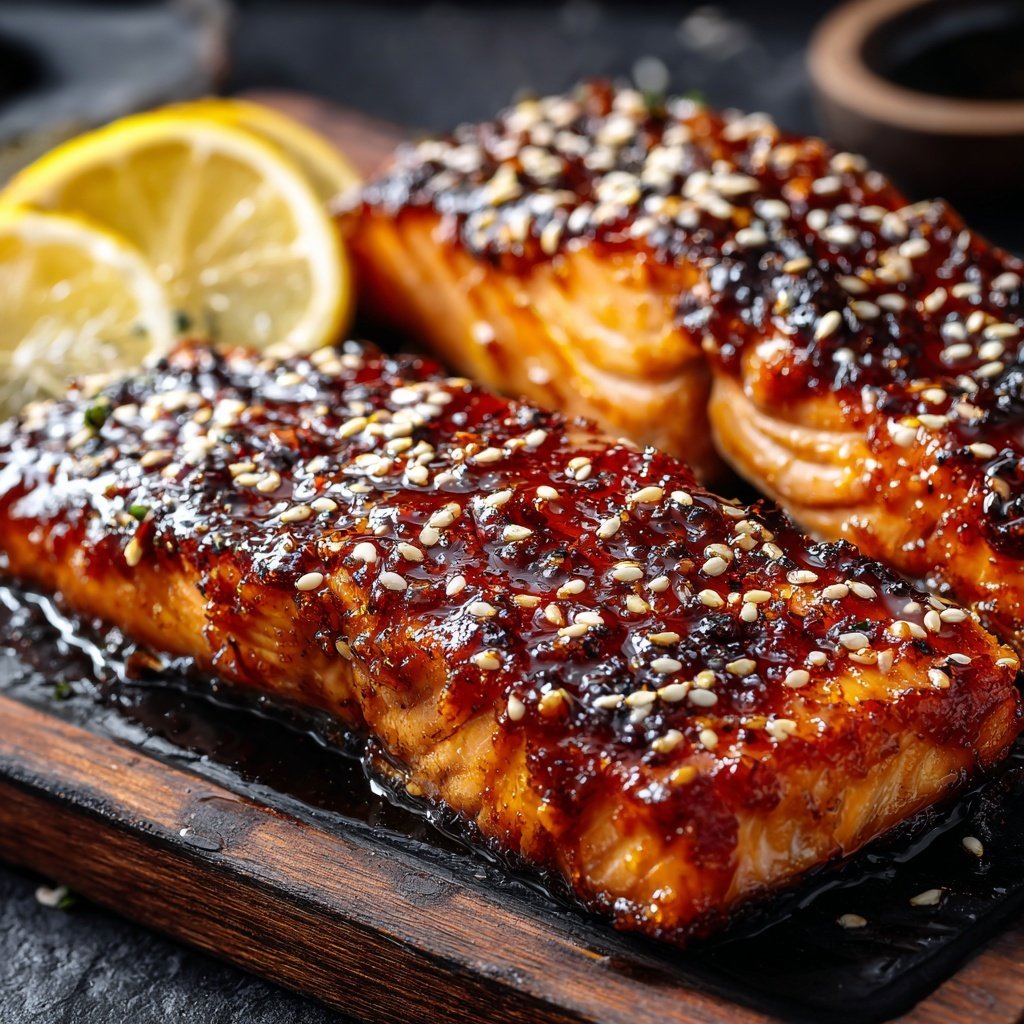
- For an extra pop of flavor, feel free to add sesame seeds on top before serving. Also, marinating for longer than 30 minutes is not recommended as it may overpower the salmon's natural taste.
Ingredient Quality
The quality of ingredients plays a significant role in the final taste of your teriyaki salmon. Fresh salmon fillets are key; look for vibrant color and firm texture. Farmed salmon can be more readily available and tends to be more affordable, but wild-caught salmon often offers a richer flavor. When selecting, consider using skin-on fillets for extra flavor and moisture during cooking.
Additionally, don't overlook the importance of fresh ginger. Grated ginger releases its essential oils and adds a fragrant, zesty undertone to the marinade. If you don’t have fresh ginger on hand, look for jarred ginger paste or powdered ginger as substitutes, though the flavor will be less robust. Just keep in mind that powdered ginger is more potent, so you’ll need less of it—about half the volume of fresh.
Troubleshooting Common Issues
A common issue many face with teriyaki salmon is the glaze not thickening. If the glaze is too runny, try simmering it on low heat for a few more moments after adding it back into the skillet. This will help evaporate some moisture and create a more concentrated flavor. Just be sure to stir frequently to prevent burning.
Another issue might be uneven cooking. If your salmon fillets are not of uniform thickness, they will cook at different rates. To prevent this, I recommend purchasing fillets of similar size or actually using a meat mallet to gently pound thicker parts to ensure even cooking. This small step can drastically improve the texture and doneness of your salmon.
Questions About Recipes
→ Can I use a different fish instead of salmon?
Yes, you can substitute salmon with trout or chicken thighs for a different flavor profile.
→ What sides pair well with this dish?
Steamed rice, sautéed vegetables, or a crisp salad are great options that complement the teriyaki flavor.
→ Can I make this recipe in advance?
You can marinate the salmon in advance, but it's best to cook it fresh for optimum texture.
→ Is this recipe gluten-free?
To make it gluten-free, use tamari or a gluten-free soy sauce alternative.
Global Flavors Japanese Teriyaki Salmon
Created by: Perrie Lawson
Recipe Type: Global Taste Adventure
Skill Level: Easy
Final Quantity: 4 servings
What You'll Need
For the Teriyaki Salmon
- 4 salmon fillets
- 1/4 cup soy sauce
- 2 tablespoons honey
- 1 tablespoon rice vinegar
- 1 teaspoon grated ginger
- 1 teaspoon sesame oil
- 2 green onions, chopped (for garnish)
How-To Steps
In a mixing bowl, whisk together the soy sauce, honey, rice vinegar, grated ginger, and sesame oil until well combined.
Place the salmon fillets in a shallow dish and pour the marinade over them. Let it sit for at least 15 minutes.
Heat a non-stick skillet over medium-high heat. Remove salmon from marinade (reserve the marinade), and cook the salmon skin-side down for about 6 minutes. Flip and cook for an additional 4-5 minutes until cooked through.
Pour the reserved marinade into the skillet and let it bubble for a minute, allowing it to thicken slightly before spooning it over the salmon.
Garnish the salmon with chopped green onions and serve hot with steamed rice and vegetables.
Extra Tips
- For an extra pop of flavor, feel free to add sesame seeds on top before serving. Also, marinating for longer than 30 minutes is not recommended as it may overpower the salmon's natural taste.
Nutritional Breakdown (Per Serving)
- Calories: 350 kcal
- Total Fat: 18g
- Saturated Fat: 4g
- Cholesterol: 70mg
- Sodium: 920mg
- Total Carbohydrates: 22g
- Dietary Fiber: 0g
- Sugars: 16g
- Protein: 30g